7 Mistakes Travelers Make When Trekking to Everest Base Camp
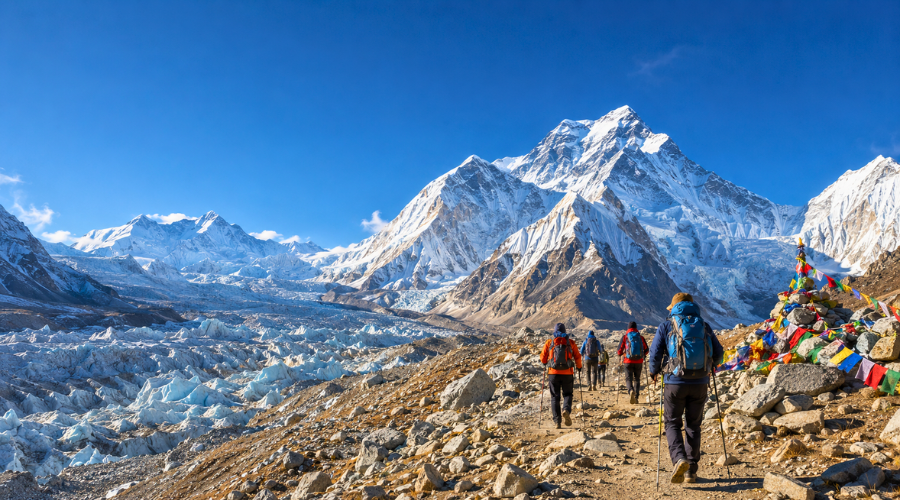
Few trekking adventures capture the imagination quite like the Everest Base Camp trek. Winding through the heart of Nepal's Khumbu region, the trail offers an extraordinary blend of dramatic Himalayan landscapes, centuries-old Sherpa culture, ancient monasteries, and breathtaking views of the world's highest mountain. For thousands of travelers every year, reaching Everest Base Camp is far more than checking off a bucket-list destination it's a journey of personal growth, resilience, and unforgettable memories.
Despite its popularity, trekking in Nepal to Everest Base Camp should never be underestimated. While the route does not require technical climbing skills, it presents challenges that demand careful planning, physical preparation, and respect for the mountain environment. Altitude, rapidly changing weather, limited facilities, and remote terrain all contribute to making this one of the world's most rewarding but also most demanding trekking experiences.
Many first-time trekkers focus on booking flights, buying gear, or taking photographs beneath colorful prayer flags. However, some of the biggest challenges arise from common planning mistakes that could easily have been avoided. These oversights can lead to discomfort, unnecessary expenses, missed opportunities for acclimatization, or, in more serious cases, health and safety concerns that may force trekkers to end their journey early.
After years of organizing successful Everest Base Camp adventures, the experienced team at Berg Reisen Nepal Pvt. Ltd. has seen firsthand how thoughtful preparation transforms a difficult trek into an enjoyable and deeply rewarding experience. While every traveler's journey is unique, certain mistakes appear repeatedly among first-time visitors to the Himalayas.
In this Everest trekking guide, we'll explore the 7 mistakes travelers make when trekking to Everest Base Camp, explain why they happen, and provide practical solutions to help you avoid them. Whether you're planning your first Himalayan adventure or refining your Everest Base Camp preparation, these expert insights will help you trek more confidently, stay safer at altitude, and make the most of every step toward the foot of Mount Everest.
Mistake No. 1: Underestimating Altitude and Acclimatization
Altitude is, without question, the single greatest challenge on the Everest Base Camp trek. Unlike steep climbs or difficult terrain, altitude affects everyone differently. Even experienced hikers and endurance athletes can develop symptoms of altitude sickness if they ascend too quickly.
Many first-time trekkers mistakenly believe that being physically fit will protect them from altitude-related illnesses. While good fitness certainly makes long trekking days easier, it does not prevent the body from reacting to reduced oxygen levels at high elevations.
Everest Base Camp sits at 5,364 meters (17,598 feet) above sea level, while many trekkers also climb Kala Patthar (5,545 meters) for panoramic sunrise views of Mount Everest. At these elevations, the available oxygen is significantly lower than at sea level, making proper acclimatization essential.
Understanding Altitude Sickness
Altitude sickness, also known as Acute Mountain Sickness (AMS), occurs when the body struggles to adapt to lower oxygen levels.
Common symptoms include:
-
Persistent headache
-
Nausea or vomiting
-
Loss of appetite
-
Fatigue
-
Dizziness
-
Difficulty sleeping
-
Shortness of breath during light activity
Ignoring these symptoms or continuing to ascend despite feeling unwell can increase the risk of more serious conditions, including High Altitude Pulmonary Edema (HAPE) and High Altitude Cerebral Edema (HACE), both of which require immediate descent and urgent medical attention.
Why Acclimatization Matters
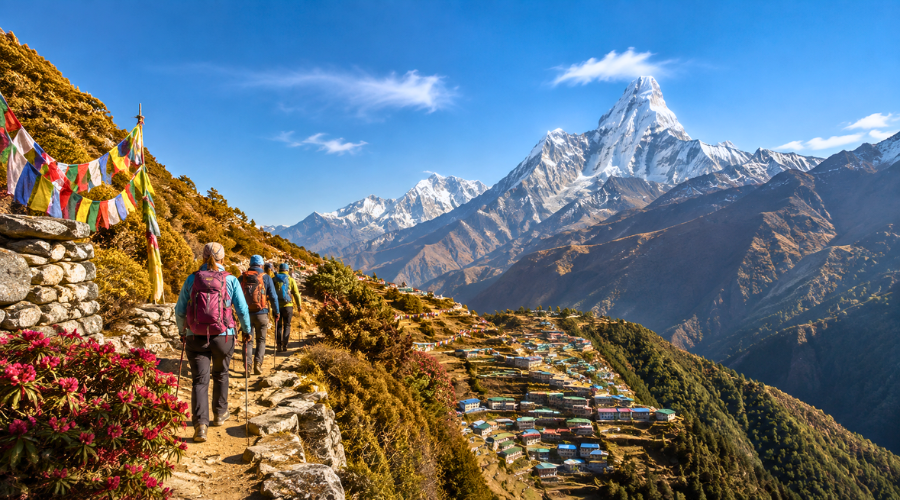 One of the biggest mistakes travelers make is choosing an itinerary that reaches Everest Base Camp too quickly.
Your body needs time to produce additional red blood cells and gradually adjust to thinner air. Proper acclimatization significantly reduces the likelihood of altitude sickness and improves your overall trekking experience.
A well-designed EBC itinerary typically includes dedicated acclimatization days in locations such as:
-
Namche Bazaar (3,440 m)
-
Dingboche (4,410 m)
These rest days are not meant for complete inactivity. Instead, trekkers follow the principle of:
"Climb high, sleep low."
Short hikes to higher elevations during the day encourage the body to adapt while returning to a lower altitude for overnight rest.
How to Avoid This Mistake
Experienced trekking guides recommend:
-
Choose an itinerary with at least two acclimatization days.
-
Stay well hydrated throughout the trek.
-
Walk at a slow, consistent pace instead of racing ahead.
-
Avoid alcohol and excessive smoking.
-
Listen carefully to your guide if symptoms develop.
-
Never ignore persistent headaches or dizziness.
-
Descend immediately if symptoms become severe.
Remember, reaching Everest Base Camp is optional—but returning home safely is essential.
Mistake No. 2: Choosing the Wrong Trekking Season
Timing plays a major role in determining the success of your Everest Base Camp adventure. Although the trail remains open throughout much of the year, each season offers different weather conditions, visibility, temperatures, and trekking experiences.
Choosing the wrong season without understanding its challenges can affect everything from Lukla flights to mountain views and personal comfort.
Spring (March–May)
Spring is widely regarded as one of the best times for the Everest Base Camp trek.
Why many trekkers prefer spring:
-
Stable weather
-
Comfortable daytime temperatures
-
Blooming rhododendron forests
-
Excellent mountain visibility
-
Active climbing season on Mount Everest
Because it is one of the busiest trekking periods, trails, teahouses, and Lukla flights can become crowded. Booking well in advance is recommended.
Autumn (September–November)
Autumn is equally popular and often considered the finest trekking season in Nepal.
Advantages include:
-
Crystal-clear mountain views
-
Dry trails
-
Mild temperatures
-
Reliable weather
-
Excellent photography conditions
Many experienced trekkers consider October and November the ideal months for an Everest Base Camp trek.
Winter (December–February)
Winter offers a quieter trekking experience with fewer crowds, but it comes with additional challenges.
Expect:
-
Very cold nights
-
Snow-covered trails
-
Occasional flight delays
-
Frozen water sources
-
Limited availability at some teahouses
For well-prepared trekkers who enjoy peaceful trails and don't mind sub-zero temperatures, winter can still be a rewarding time to visit.
Monsoon (June–August)
Monsoon season is generally the least favorable period for trekking to Everest Base Camp.
Challenges include:
-
Heavy rainfall
-
Slippery trails
-
Reduced visibility
-
Frequent Lukla flight disruptions
-
Leeches at lower elevations
-
Increased cloud cover hiding mountain views
However, the landscapes become lush and vibrant, and there are far fewer trekkers on the route.
Weather Can Change Quickly
Regardless of the season, weather in the Himalayas is unpredictable.
A clear morning can become cloudy within hours, and strong winds may affect flights into Lukla with little warning.
Experienced local trekking companies monitor weather conditions closely and build flexibility into itineraries whenever possible.
How to Avoid This Mistake
Before confirming your travel dates:
-
Research seasonal weather patterns.
-
Understand the advantages and challenges of each season.
-
Build extra days into your itinerary for potential flight delays.
-
Pack clothing appropriate for changing temperatures.
-
Seek advice from experienced local trekking professionals familiar with current conditions.
Choosing the right season can greatly enhance both the safety and enjoyment of your Everest adventure.
Mistake No. 3: Packing Too Much or Too Little
Packing for Everest Base Camp is a balancing act. Bring too much, and you'll carry unnecessary weight or pay extra porter fees. Bring too little, and you may find yourself uncomfortable, cold, or unprepared for rapidly changing mountain conditions.
Many first-time trekkers either overestimate what they need or forget essential items that are difficult—or expensive—to replace once on the trail.
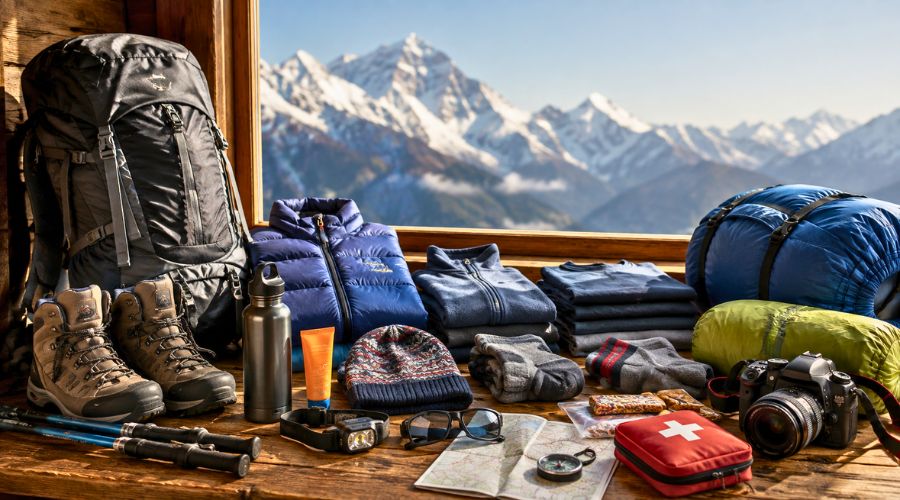
A Smart Everest Trekking Packing List
Your packing strategy should focus on versatility rather than quantity. Layering is far more effective than carrying bulky clothing.
Essential clothing includes:
-
Moisture-wicking base layers
-
Insulating fleece or down jacket
-
Waterproof and windproof outer shell
-
Trekking pants
-
Thermal underwear
-
Warm hat and gloves
-
Buff or neck gaiter
-
Quality hiking socks
Invest in Proper Footwear
Perhaps no item is more important than your trekking boots.
Your boots should be:
-
Well broken in before arrival
-
Waterproof
-
Comfortable for long walking days
-
Supportive around the ankles
-
Equipped with good grip for uneven terrain
Never begin the Everest Base Camp trek wearing brand-new boots.
Other Essential Equipment
A reliable Everest trekking packing list should also include:
-
Sleeping bag rated for sub-zero temperatures
-
Trekking poles
-
Headlamp with spare batteries
-
Reusable water bottles
-
Water purification tablets or filter
-
Sunglasses with UV protection
-
Sunscreen and lip balm
-
Personal first-aid kit
-
Power bank
-
Lightweight rain cover for your backpack
Common Packing Mistakes
Many trekkers unknowingly pack:
-
Too many changes of clothes
-
Heavy jeans or cotton clothing
-
Large bottles of toiletries
-
Fashion items that never get used
-
Excess electronics
-
Oversized luggage instead of a duffel bag
Remember that most trekking companies recommend limiting a porter's load to support safe and ethical working conditions. Packing efficiently not only makes your own journey easier but also helps protect the well-being of the people supporting your trek.
How to Avoid This Mistake
Before departing for Nepal:
-
Follow a proven Everest Base Camp packing checklist.
-
Test all gear during practice hikes.
-
Prioritize lightweight, high-quality equipment.
-
Dress in layers for changing temperatures.
-
Leave unnecessary items behind.
A thoughtfully packed backpack makes every day on the trail more comfortable, allowing you to focus on the incredible scenery rather than the weight on your shoulders.
Mistake No. 4: Ignoring Physical Preparation
One of the most common misconceptions about the Everest Base Camp trek is that determination alone is enough to reach the destination. While mental resilience is certainly important, physical preparation plays a vital role in making the journey safer, more enjoyable, and far less exhausting.
Unlike technical mountaineering, the Everest Base Camp trek does not require climbing experience or specialized alpine skills. However, it does involve walking for 10–15 days, often 5–8 hours each day, across rugged mountain trails with frequent ascents and descents. Combined with the effects of high altitude, even relatively moderate sections of the trail can become physically demanding.
Many first-time trekkers underestimate these challenges. They arrive in Nepal enthusiastic but unprepared, making the trek unnecessarily difficult and increasing their risk of fatigue, injury, or altitude-related complications.
Why Fitness Matters
Being physically fit won't eliminate the effects of altitude, but it will help your body cope better with the demands of long trekking days.
Good fitness allows you to:
-
Walk comfortably for extended periods.
-
Recover more quickly overnight.
-
Reduce strain on your knees and joints.
-
Maintain steady energy throughout the trek.
-
Enjoy the scenery instead of constantly battling exhaustion.
Rather than focusing solely on speed or endurance, your goal should be to build a strong foundation for sustained activity over multiple consecutive days.
Build Your Training Plan
Ideally, begin training 8–12 weeks before your departure.
Cardiovascular Training
Strong cardiovascular fitness helps improve stamina and prepares your body for long days on the trail.
Excellent options include:
-
Brisk walking
-
Hiking
-
Running or jogging
-
Cycling
-
Stair climbing
-
Swimming
Aim for 30–60 minutes, at least 4–5 times per week.
Strength Training
Strength exercises improve stability and reduce the risk of injuries.
Focus on:
-
Legs
-
Core muscles
-
Lower back
-
Glutes
-
Shoulders (for carrying a daypack)
Exercises such as squats, lunges, step-ups, planks, and deadlifts can significantly improve trekking performance.
Practice Hiking
Nothing prepares you better than hiking.
If possible:
-
Hike on uneven terrain.
-
Wear the same trekking boots you'll use in Nepal.
-
Carry a backpack weighing 5–8 kg.
-
Practice walking uphill and downhill.
These practice hikes also help identify uncomfortable gear before your trek begins.
Train for Endurance, Not Speed
The Everest Base Camp trail is not a race.
Many beginners focus on running or high-intensity workouts, but what really matters is your ability to maintain a comfortable pace for several hours each day.
Experienced Sherpa guides often remind trekkers:
"Walk slowly, breathe deeply, and enjoy the mountains."
This steady rhythm is one of the keys to successfully reaching Everest Base Camp.
How to Avoid This Mistake
Before your trek:
-
Start training at least two months in advance.
-
Increase hiking distance gradually.
-
Strengthen your legs and core.
-
Practice carrying a backpack.
-
Break in your trekking boots.
-
Prioritize consistency over intensity.
The better prepared you are physically, the more energy you'll have to appreciate every moment of your Himalayan adventure.
Mistake No. 5: Booking Without a Reliable Trekking Company
Planning an Everest Base Camp trek involves much more than booking flights and reserving accommodation. Transportation, permits, guide coordination, weather-related changes, emergency response, and daily logistics all require careful management.
Some travelers choose operators based solely on the lowest price, while others attempt to organize everything independently without fully understanding the complexities of trekking in the Himalayas.
Although independent trekking is possible for some experienced hikers, many first-time visitors benefit greatly from the support of a reputable local trekking company.
Why Experience Matters
The Khumbu region is remote, and conditions can change quickly.
Experienced trekking companies understand:
-
Mountain weather patterns.
-
Trail conditions.
-
Local culture and customs.
-
Acclimatization strategies.
-
Emergency evacuation procedures.
-
Teahouse availability.
-
Lukla flight logistics.
Having knowledgeable professionals manage these details allows trekkers to focus on enjoying the journey.
The Value of Licensed Local Guides
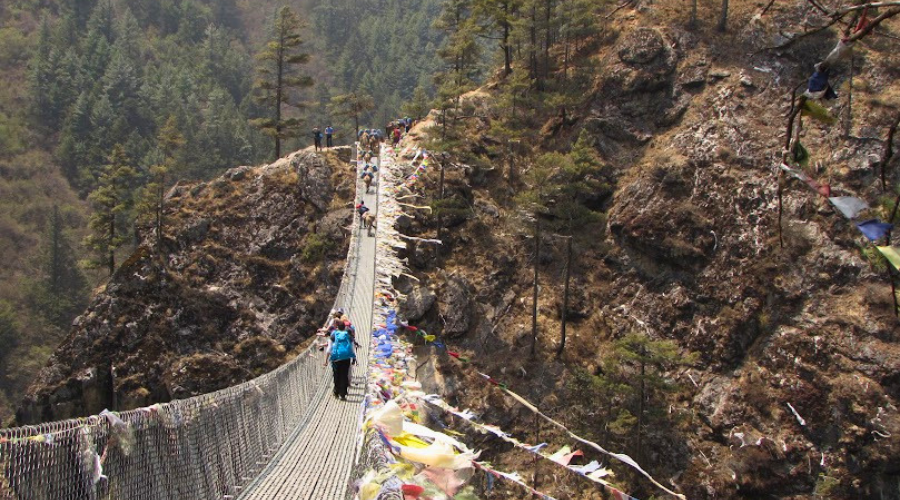 A licensed guide offers much more than navigation.
An experienced guide can:
-
Monitor your health daily.
-
Recognize early signs of altitude sickness.
-
Adjust the itinerary if necessary.
-
Communicate with local communities.
-
Explain Sherpa culture and Buddhist traditions.
-
Assist during flight delays or itinerary changes.
-
Coordinate emergency evacuation if required.
These local insights often transform an ordinary trek into a richer and more meaningful experience.
Safety Should Always Come First
Reliable trekking companies prioritize safety over speed.
They ensure:
-
Proper acclimatization schedules.
-
Daily health monitoring.
-
Emergency communication systems.
-
Well-planned itineraries.
-
Ethical porter treatment.
-
Transparent pricing.
Choosing a company that values responsible tourism also supports local communities and contributes to sustainable trekking practices in Nepal.
Questions to Ask Before Booking
Before selecting an operator, consider asking:
-
Are your guides government licensed?
-
How many years of Everest experience do they have?
-
Is emergency assistance available?
-
What happens if Lukla flights are delayed?
-
Are permits included?
-
Are porters insured and properly equipped?
-
What is included—and excluded—in the package price?
These questions help you compare companies based on quality rather than price alone.
How to Avoid This Mistake
Choose a trekking company that demonstrates:
-
Proven Himalayan experience.
-
Transparent communication.
-
Excellent safety standards.
-
Positive client reviews.
-
Ethical business practices.
-
Knowledgeable local guides.
-
Flexible itinerary planning.
A trusted trekking partner doesn't simply organize your trip—they help create a safe, memorable, and enjoyable experience from arrival in Nepal to your successful return.
Mistake No. 6: Rushing the Itinerary
One of the biggest planning mistakes travelers make is trying to complete the Everest Base Camp trek in the shortest possible time.
With limited vacation days, it's tempting to choose an itinerary that promises to reach Everest Base Camp several days faster than standard routes. While these itineraries may appear attractive, they often sacrifice the most important element of high-altitude trekking: acclimatization.
The mountains are not going anywhere. Your body needs time to adapt.
Why Gradual Ascent Matters
As elevation increases, oxygen levels decrease significantly.
Ascending too quickly increases the likelihood of:
-
Acute Mountain Sickness (AMS)
-
Severe fatigue
-
Poor sleep
-
Reduced appetite
-
Headaches
-
Dizziness
-
Premature evacuation
No shortcut can replace proper acclimatization.
The Importance of Rest Days
Rest days are an essential part of a safe Everest Base Camp itinerary—not a sign of weakness.
Popular acclimatization stops include:
-
Namche Bazaar
-
Dingboche
On these days, trekkers usually take short hikes to higher elevations before returning to sleep at a lower altitude.
This proven strategy greatly improves the body's ability to adapt.
Allow Time for Unexpected Delays
Lukla flights are heavily influenced by mountain weather.
Even during peak trekking seasons, delays or cancellations can occur.
A flexible itinerary with one or two extra days at the end of your trip helps reduce stress if flights are postponed.
Rather than worrying about missing international connections, you'll have valuable breathing room.
How to Avoid This Mistake
When planning your Everest Base Camp trek:
-
Choose an itinerary lasting around 12–14 trekking days (excluding arrival and departure in Kathmandu).
-
Include at least two acclimatization days.
-
Walk at your own pace.
-
Add buffer days for possible Lukla flight delays.
-
Prioritize safety over speed.
Remember:
The goal isn't simply reaching Everest Base Camp—it's completing the journey safely and enjoying every step along the way.
Mistake No. 7: Not Budgeting for Extra Costs
Many travelers carefully compare trekking package prices but forget to account for the smaller expenses that arise during the journey.
These additional costs may seem minor individually, but together they can noticeably increase your overall budget.
Planning ahead helps avoid unnecessary surprises.
Common Additional Expenses
During your trek, you may pay separately for:
-
Wi-Fi access
-
Charging electronic devices
-
Hot showers
-
Bottled or boiled drinking water
-
Snacks and soft drinks
-
Bakery items
-
Laundry services
-
Souvenirs
Prices generally increase with altitude because supplies must be transported by porters, yaks, or helicopters.
Travel Insurance
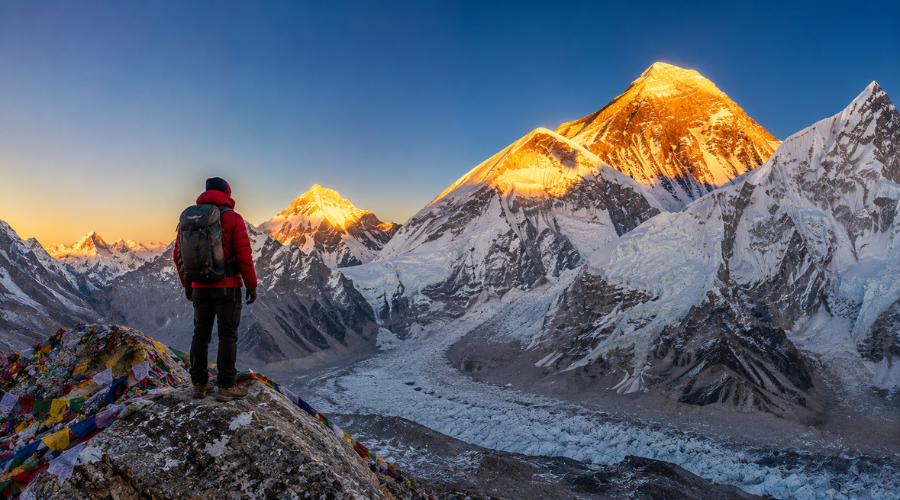 One of the most important expenses is comprehensive travel insurance.
Your policy should cover:
-
High-altitude trekking.
-
Emergency helicopter evacuation.
-
Medical treatment.
-
Trip interruption.
-
Flight delays.
-
Lost baggage.
Medical evacuation from the Everest region can be extremely expensive without adequate insurance.
Tips for Guides and Porters
Tipping is a respected tradition in Nepal's trekking industry.
While not mandatory, it is a meaningful way to recognize the hard work and dedication of your trekking team.
Many porters carry heavy loads through challenging terrain, while guides ensure your safety and comfort throughout the journey.
Budgeting for gratuities in advance helps avoid uncertainty at the end of your trek.
Emergency Funds
Even with careful planning, unexpected situations may arise.
It's wise to carry some additional funds for:
-
Extra accommodation due to flight delays.
-
Additional meals.
-
Unexpected transportation.
-
Medical expenses not immediately covered.
-
Personal purchases.
Cash remains the preferred payment method in many villages along the Everest trail, and ATMs become increasingly limited beyond Namche Bazaar.
How to Avoid This Mistake
Before departing:
-
Review exactly what your trekking package includes.
-
Bring sufficient Nepalese Rupees for personal expenses.
-
Purchase comprehensive travel insurance.
-
Budget for tips.
-
Keep an emergency reserve.
Financial preparation allows you to focus on enjoying the experience rather than worrying about unexpected costs.
Expert Tips for a Successful Everest Base Camp Trek
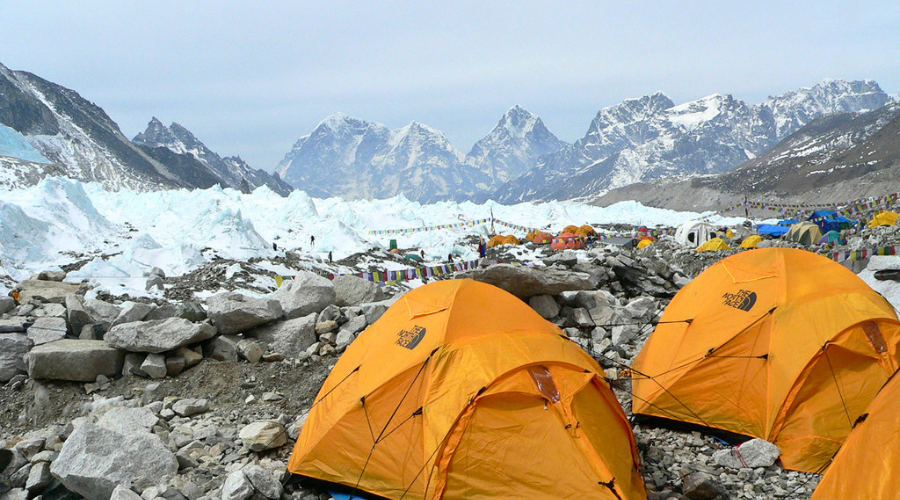 Years of experience leading treks in the Everest region have shown that success is rarely determined by strength alone. Careful preparation, patience, and respect for the mountains make all the difference.
Here are ten practical recommendations from experienced trekking professionals:
1. Walk Slowly from Day One
Resist the temptation to keep up with faster trekkers. A steady pace conserves energy and supports better acclimatization.
2. Stay Hydrated
Drink 3–4 liters of water each day. Proper hydration can help your body adapt more effectively to high altitude.
3. Listen to Your Guide
Your guide understands local conditions and monitors your well-being. If they recommend slowing down or resting, follow their advice.
4. Dress in Layers
Mountain weather can change rapidly. Layering allows you to adapt to varying temperatures throughout the day.
5. Eat Regularly
Even if your appetite decreases at altitude, consume balanced meals to maintain energy levels.
6. Protect Yourself from the Sun
High-altitude UV exposure is intense. Wear sunglasses, sunscreen, and a hat every day.
7. Carry Essential Medication
Bring any prescribed medications along with a basic first-aid kit. Consult your healthcare provider before considering altitude medication.
8. Respect Local Culture
Walk clockwise around mani walls and stupas, seek permission before photographing people, and support local businesses whenever possible.
9. Be Flexible
Weather in the Himalayas can affect flights and daily plans. A positive attitude and adaptable mindset make unexpected changes much easier to manage.
10. Enjoy the Journey
Everest Base Camp is the destination, but the experience includes every village, suspension bridge, monastery, and mountain view along the way. Slow down, take in the scenery, and appreciate the remarkable journey through the heart of the Himalayas.
Why Trek with Berg Reisen Nepal
Choosing the right trekking partner can significantly influence your overall Everest Base Camp experience. At Berg Reisen Nepal Pvt. Ltd., the focus is not simply on reaching the destination but on ensuring that every traveler enjoys a safe, well-organized, and meaningful journey.
Our experienced, government-licensed local guides bring extensive knowledge of the Everest region, including its trails, weather patterns, culture, and high-altitude environments. They carefully monitor acclimatization, provide practical support throughout the trek, and are prepared to respond effectively should conditions change.
We believe that every traveler is different, which is why we offer personalized itineraries that match individual fitness levels, travel goals, and available time. Rather than rushing the journey, we prioritize gradual acclimatization, thoughtful pacing, and flexibility to maximize both safety and enjoyment.
Responsible tourism is also central to our approach. We are committed to the ethical treatment of our porters by ensuring fair wages, appropriate equipment, reasonable carrying loads, and respectful working conditions. Supporting local communities and preserving the natural beauty of the Himalayas remain important values in every trek we organize.
From the moment you begin planning your adventure until you return home, our dedicated team provides clear communication, reliable logistical support, and personalized assistance. This commitment to professionalism, safety, and authentic local expertise has earned the trust of travelers from around the world seeking a memorable Everest Base Camp experience.
Conclusion
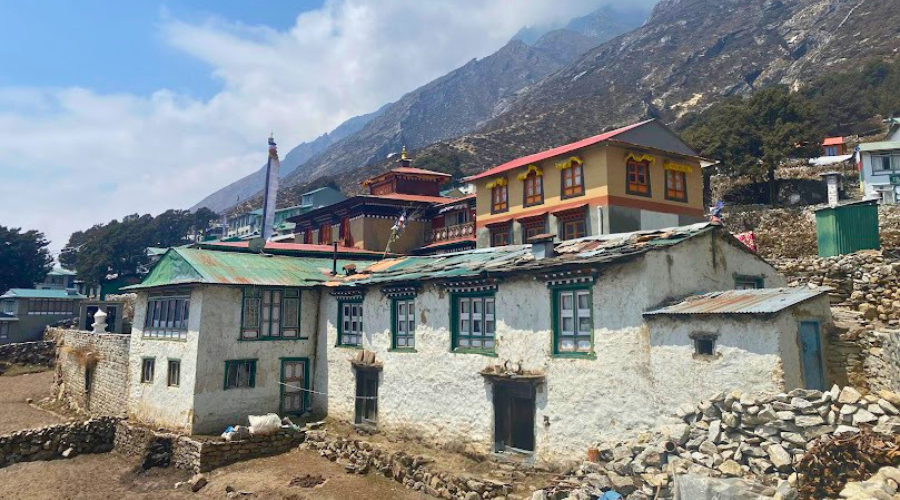 The Everest Base Camp trek is much more than a hike to one of the world's most iconic destinations—it's a journey that challenges both body and mind while rewarding you with unforgettable mountain scenery, rich Sherpa culture, and an immense sense of personal achievement.
As we've explored, many of the challenges trekkers face are entirely avoidable with thoughtful planning. By understanding the seven common mistakes—underestimating altitude, choosing the wrong season, packing improperly, neglecting physical preparation, booking without a reliable trekking company, rushing the itinerary, and overlooking additional expenses—you can significantly improve your chances of having a safe, comfortable, and rewarding adventure.
Preparation is the foundation of every successful Himalayan trek. Taking the time to train, pack wisely, acclimatize properly, and travel with experienced professionals allows you to focus on what truly matters: enjoying the extraordinary landscapes and unforgettable moments that make the Everest region so special.
Whether you're planning your very first Himalayan adventure or returning to Nepal for another trekking experience, informed decisions today will help create lasting memories tomorrow.
If you're ready to experience the Everest Base Camp trek with confidence, the experienced team at Berg Reisen Nepal Pvt. Ltd. is here to help. Contact us for expert guidance, personalized itineraries, and professional support designed to make your journey to the foot of the world's highest mountain both safe and unforgettable.
Every successful Everest Base Camp trek begins with careful planning, realistic expectations, and the guidance of experienced professionals. By avoiding these seven common mistakes and preparing thoughtfully, you'll be well on your way to enjoying one of the most rewarding trekking adventures on Earth.
At Berg Reisen Nepal Pvt. Ltd., we're passionate about helping travelers experience the Himalayas safely, responsibly, and authentically. Whether you're planning your first Everest Base Camp trek or looking for a personalized itinerary tailored to your goals, our experienced local team is here to support you every step of the way.
Ready to begin your Everest adventure?
Contact Berg Reisen Nepal Pvt. Ltd. today to explore our customized Everest Base Camp trekking packages, receive expert travel advice, and start planning a journey you'll remember for a lifetime. Let the mountains inspire you—and let our local expertise help you reach them with confidence.