The Future of Adventure Tourism in Nepal
Introduction: A New Era for Adventure Tourism in Nepal
Few destinations in the world combine dramatic mountains, diverse landscapes, living cultures, biodiversity, and extraordinary human hospitality as naturally as Nepal.
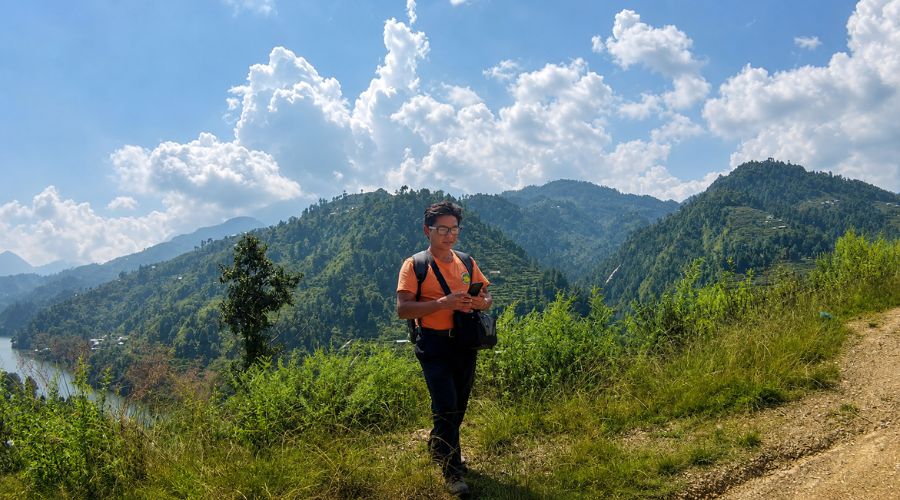
For generations, Nepal has been synonymous with Himalayan trekking and mountaineering. The Everest region, Annapurna, Langtang, Manaslu, Mustang, Dolpo and countless other mountain landscapes have attracted travelers seeking challenge, discovery and connection with the world's great mountain environment.
But the future of Adventure Tourism in Nepal will not simply be defined by how many people reach a high pass or stand beneath an eight-thousand-metre peak.
It will increasingly be defined by how responsibly people travel, how deeply they connect with destinations, how much value remains within local communities, and how effectively tourism protects the landscapes on which it depends.
Nepal's tourism policy framework is already moving toward diversification and quality, while the government continues to develop tourism policies and strategies relevant to new forms of tourism, including wellness. Meanwhile, recent work by ICIMOD highlights the need for Nepal's tourism sector to become more sustainable and climate-resilient in response to environmental pressures, uneven development and climate risks.
The opportunity is enormous. So is the responsibility.
Why Nepal Will Remain a Global Adventure Destination
Nepal's greatest competitive advantage is not a single attraction. It is the remarkable diversity contained within a relatively small country.
The Himalayas provide a world-class setting for trekking, mountaineering, peak climbing, ski-related activities, mountain biking and expedition travel. But adventure in Nepal extends far beyond the high mountains.
Travelers can combine Himalayan journeys with:
-
White-water rafting and kayaking
-
Paragliding
-
Canyoning
-
Mountain biking
-
Jungle safaris and wildlife experiences
-
Village and homestay experiences
-
Cultural tours
-
Photography and nature travel
-
Wellness and retreat experiences
-
Pilgrimage and spiritual journeys
-
Rural and community-based tourism
Geographical diversity is another major strength. Nepal moves from subtropical plains to mid-hill landscapes and high Himalayan environments, creating opportunities for different types of travel throughout the year.
Equally important is Nepal's cultural diversity. Adventure here is rarely only about scenery. A trek can become a journey through villages, monasteries, local traditions, architecture, cuisine and everyday mountain life.
That combination of nature, culture and human connection gives Nepal an advantage that cannot easily be replicated elsewhere.
The Changing Face of Adventure Travel
 The modern adventure traveler is changing.
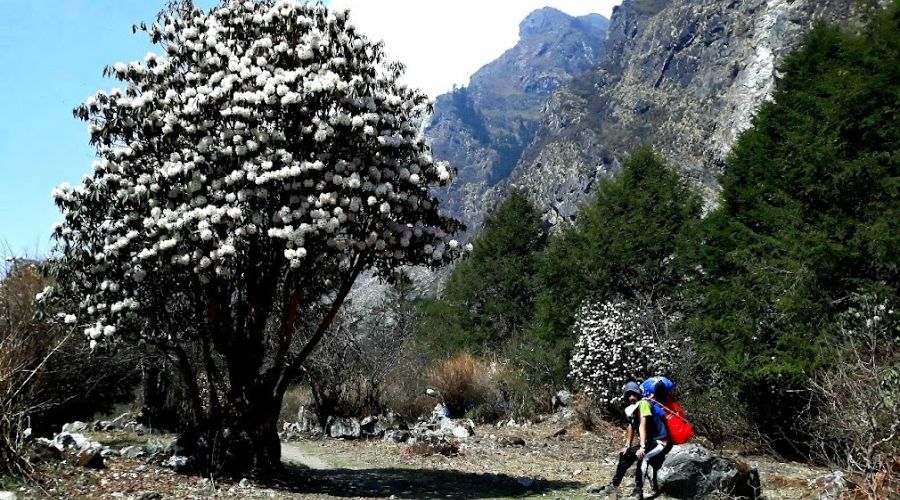
For some travelers, adventure still means reaching a demanding summit or completing a challenging trek. For others, adventure increasingly means leaving familiar routines, learning something new, and experiencing a destination at a deeper level.
Travelers are increasingly interested in experiences that are:
-
Authentic rather than highly staged
-
Personalized rather than standardized
-
Smaller in scale
-
Environmentally responsible
-
Locally connected
-
Flexible and experience-driven
-
Focused on wellbeing as well as physical challenge
This represents an important opportunity for Nepal.
Instead of measuring success primarily by visitor volume, the industry can increasingly focus on quality, value, visitor experience and long-term destination health.
This does not mean rejecting tourism growth. It means asking a more important question: What kind of growth creates lasting value for Nepal?
Key Trends Shaping the Future of Adventure Tourism in Nepal
1. Sustainability Will Move from Marketing Message to Business Necessity
Sustainability can no longer be treated as an optional addition to a trekking itinerary.
Mountain environments are fragile. Trails, forests, water sources, wildlife habitats and rural settlements all experience pressure when visitor numbers increase without adequate planning.
The future of sustainable tourism in Nepal will require practical action:
-
Reducing unnecessary waste
-
Responsible waste collection and disposal
-
Minimizing single-use plastics
-
Encouraging appropriate use of local resources
-
Supporting conservation initiatives
-
Respecting protected areas and local regulations
-
Choosing accommodation and suppliers responsibly
-
Educating travelers before and during trips
Sustainable trekking should therefore become part of the entire travel system—not simply a statement on a company's website.
The broader principle is destination stewardship: leaving a place at least as healthy and culturally respected as it was found.
UN Tourism similarly emphasizes that tourism's growing economic and social importance brings greater responsibility, particularly in addressing environmental degradation, biodiversity loss and climate-related challenges.
2. Community-Based Tourism Will Become More Important
Adventure tourism can create far more value when tourism income reaches the communities along the journey.
A trekking route is not simply a trail. It is an economic network involving guides, porters, lodge owners, cooks, drivers, farmers, artisans, shopkeepers, homestays and many other local businesses.
Community-based tourism offers an opportunity to distribute tourism benefits more widely and strengthen rural livelihoods.
The future may see greater demand for:
-
Locally operated homestays
-
Village-based experiences
-
Local food and agricultural products
-
Traditional crafts
-
Community guides
-
Cultural interpretation
-
Rural tourism initiatives
This approach also creates a stronger relationship between visitors and destinations.
When communities see meaningful benefits from tourism, they have greater incentives and capacity to protect the natural and cultural assets that attract visitors in the first place.
Nepal's previous tourism planning has explicitly recognized diversification, improved tourism quality and community participation as important objectives.
3. Technology Will Improve Adventure Travel, But Not Replace Local Expertise
Technology is transforming how people plan and experience travel.
Before arriving in Nepal, travelers can now research routes, compare itineraries, study weather information, communicate instantly, navigate with digital maps, and manage bookings from their phones.
During an adventure, technology can also support:
-
GPS navigation
-
Weather monitoring
-
Emergency communication
-
Digital documentation
-
Route information
-
Travel coordination
-
Health and safety monitoring
However, technology has limitations.
A digital map cannot replace the judgment of an experienced mountain guide. A weather application cannot eliminate the uncertainty of Himalayan conditions. And an online review cannot fully explain local culture or changing conditions on a remote trail.
The strongest model for the future is therefore not technology versus local expertise, but technology plus local expertise.
Professional guides remain essential because they understand terrain, weather patterns, altitude-related risks, local communities, and the practical realities of mountain travel.
4. Safety Will Become a Defining Competitive Advantage
As adventure tourism evolves, travelers are becoming more informed about safety.
Professional risk management should therefore be central to modern adventure travel in Nepal.
Responsible operators need to consider:
-
Appropriate itinerary design
-
Acclimatization
-
Weather conditions
-
Emergency procedures
-
Communication systems
-
Qualified guides
-
Equipment requirements
-
Contingency planning
-
Transportation logistics
-
Clear information about physical demands
In the mountains, flexibility is especially important. A responsible itinerary must allow decisions to change when conditions require it.
Climate information is increasingly relevant to this process. ICIMOD notes that climate-related hazards affecting mountain tourism include floods, landslides, avalanches, extreme weather and changing environmental conditions, making reliable climate information increasingly important for safe and sustainable tourism operations.
Safety should never be an afterthought. It is part of the experience itself.
5. Personalized and Experiential Travel Will Grow
 The era of one-size-fits-all adventure travel is gradually giving way to more personalized journeys.
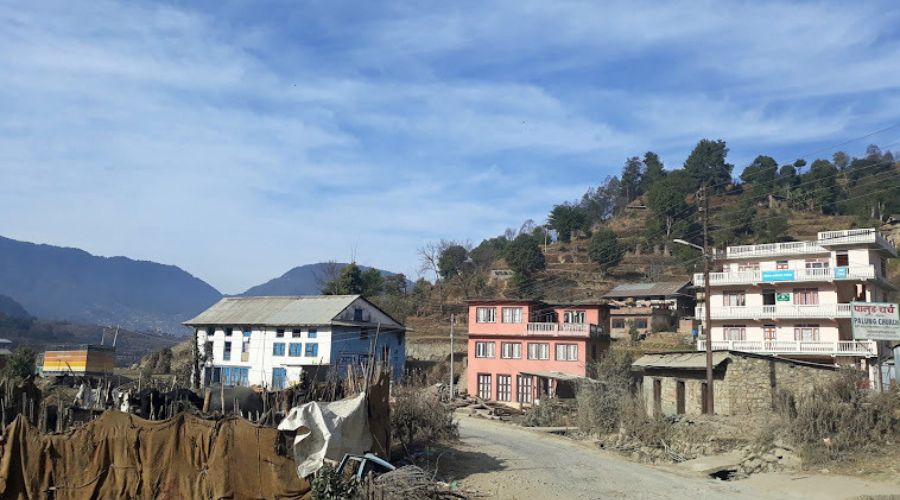
A couple may want a comfortable Himalayan experience combined with culture and wellness. A group of experienced trekkers may prefer a remote route. A photographer may prioritize landscapes and local life. A family may want shorter walks and cultural activities rather than high-altitude trekking.
This creates opportunities for Nepal trekking companies to design journeys around individual interests rather than simply selling fixed packages.
Personalization can include:
-
Private or small-group trekking
-
Flexible walking schedules
-
Cultural immersion
-
Photography-focused journeys
-
Wellness components
-
Adventure combinations
-
Comfortable accommodation where available
-
Alternative routes
-
Off-season travel
The future traveler increasingly wants to participate in a journey rather than simply consume a destination.
6. Wellness and Adventure Will Converge
Adventure and wellness are no longer separate categories.
Walking through mountain landscapes, spending time away from urban environments, practicing yoga, experiencing local food, connecting with nature, and slowing down can all contribute to wellbeing.
Nepal has significant potential in this space, from Himalayan retreats and meditation experiences to wellness-focused trekking and nature-based escapes.
The Ministry of Culture, Tourism and Civil Aviation has recently published a National Wellness Tourism Strategy for 2026–2035, signaling growing institutional attention to this segment.
The opportunity is to develop wellness tourism without turning Nepal's spiritual and cultural traditions into superficial commercial products.
Authenticity and respect must remain central.
Sustainability and the Future of Himalayan Tourism
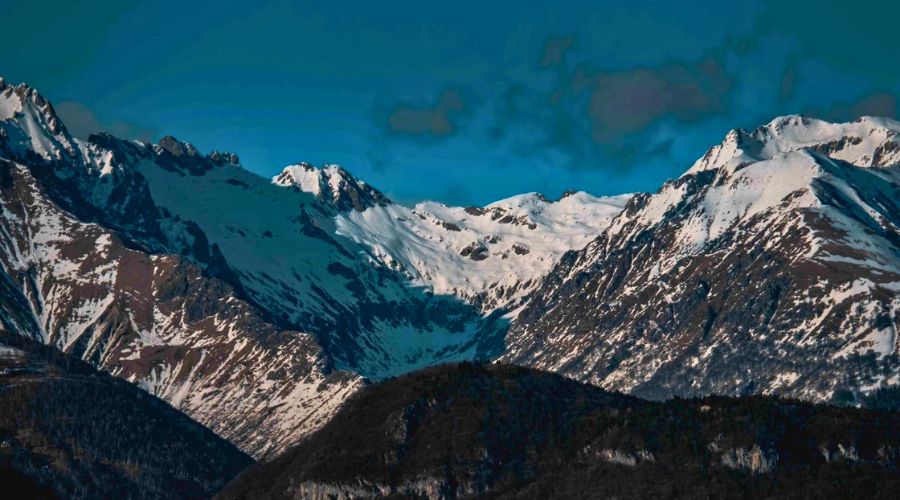 The greatest long-term question for Himalayan adventure tourism may be climate change.
Mountain tourism depends on landscapes that are themselves changing.
ICIMOD's recent assessment of sustainable and climate-resilient tourism in Nepal identifies climate change, environmental degradation, uneven development, workforce gaps and governance challenges as important pressures on the sector.
The wider Hindu Kush Himalaya is experiencing significant changes in snow, ice and climate conditions. ICIMOD has reported accelerated glacier loss and increasing risks associated with a changing cryosphere.
For adventure tourism, this can have practical consequences.
Changing precipitation patterns, landslides, floods, avalanches, glacier conditions and extreme weather can influence routes, infrastructure, safety and the timing of travel.
The response should not be to stop adventure tourism. It should be to make it more resilient.
That means better information, stronger infrastructure, responsible route management, environmental monitoring, emergency preparedness, adaptation planning and cooperation between government, communities, scientists and tourism businesses.
Empowering Local Communities
The future of adventure tourism should also be measured by the opportunities it creates.
A successful trekking destination should not only provide beautiful views to visitors. It should provide meaningful livelihoods to people who live there.
This means valuing the expertise of local guides and porters, supporting locally owned accommodation, purchasing local products where practical and ensuring that tourism employment is safe, fair and dignified.
It also means recognizing local people as partners in tourism, not simply as service providers.
Communities possess knowledge of landscapes, weather, traditions, history and local ecosystems that cannot be replicated through an online booking platform.
The future of Nepal adventure travel should therefore be community-connected, locally informed and economically inclusive.
New Possibilities Beyond Traditional Trekking
Nepal's future adventure portfolio can become more diverse without abandoning its Himalayan identity.
Potential areas include:
Mountain Biking
As roads and trails evolve, carefully planned mountain biking experiences can connect travelers with landscapes and communities beyond conventional trekking routes.
Paragliding and Aerial Adventure
Nepal's hills and mountain scenery create strong potential for paragliding and related aerial experiences where appropriate safety and regulatory standards are maintained.
Rafting and Water Adventures
Nepal's rivers offer opportunities for rafting and kayaking while also connecting adventure tourism with river conservation and environmental awareness.
Canyoning
Waterfalls, gorges and rugged landscapes offer possibilities for carefully managed canyoning experiences.
Jungle and Wildlife Adventure
Adventure does not end in the mountains. Nepal's forests and protected areas provide opportunities for wildlife observation, walking, jungle activities and nature-based experiences.
Cultural and Rural Adventures
Village stays, local food, crafts, festivals, heritage walks and agricultural experiences can transform a conventional trip into a more meaningful cultural adventure.
The principle should remain simple: new tourism should be developed because it is appropriate and valuable, not simply because it is new.
Off-the-Beaten-Path Travel and the Search for Space
Crowding is one of the challenges associated with popular destinations.
As travelers become more experienced, many will look beyond the best-known routes for quieter landscapes and deeper experiences.
This creates opportunities for destinations such as remote areas of western, eastern and far-northern Nepal, provided development is carefully planned.
Off-the-beaten-path tourism, however, must not become a race to commercialize every remote community.
Before opening a new destination to larger numbers of visitors, stakeholders should consider carrying capacity, waste management, accommodation, transport, emergency response, cultural sensitivity and community readiness.
The goal should be responsible diversification, not simply moving overcrowding from one destination to another.
Challenges Nepal Must Address
The future is promising, but Nepal's adventure tourism sector faces significant challenges.
Infrastructure
Roads, airports, telecommunications, accommodation, sanitation and emergency services remain important components of a reliable tourism system. Infrastructure development must be carefully balanced with environmental and cultural considerations.
Environmental Pressure
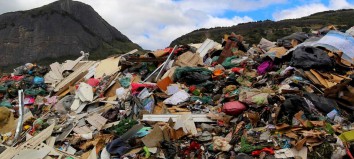
Waste, plastic pollution, unmanaged construction and resource consumption can damage the very environments that attract visitors.
Overcrowding
Popular trekking areas need thoughtful destination management to maintain visitor experience and environmental quality.
Climate Change
Climate-related hazards are becoming increasingly important for mountain tourism planning. Recent regional climate outlooks continue to highlight risks from intense rainfall, floods, landslides and rising temperatures.
Safety Standards
Adventure tourism requires appropriate standards, training and enforcement. Growth without safety can damage both travelers and the reputation of the destination.
Uneven Economic Benefits
Tourism growth does not automatically guarantee that rural communities receive a fair share of its benefits.
Destination Management
The long-term future requires coordination. Government agencies, municipalities, conservation bodies, communities, guides, operators, accommodation providers and travelers all influence destination sustainability.
These challenges should not be viewed as reasons for pessimism. They are areas where thoughtful investment and cooperation can make Nepal's tourism industry stronger.
The Role of Responsible Tourism Companies
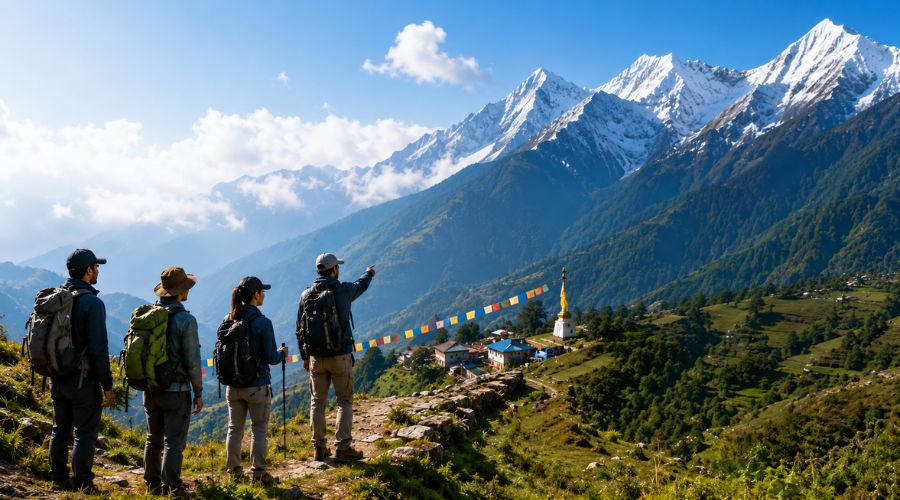 Professional local tourism companies have an important role in shaping the future.
A responsible operator does more than arrange transport and accommodation. It helps travelers make informed decisions.
This includes designing realistic itineraries, working with experienced local teams, considering safety and weather, respecting communities, communicating responsible travel practices, and adapting plans when circumstances change.
For a Nepal trekking company, local knowledge is particularly valuable.
Conditions can change. Trails can vary. Communities have different customs. A route that looks straightforward online may require careful planning in reality.
This is why the future of adventure travel in Nepal will continue to depend on a combination of digital convenience and human expertise.
Berg Reisen Nepal's Vision for the Future
At Berg Reisen Nepal Pvt. Ltd., the future of adventure tourism is best understood as a responsibility as much as an opportunity.
The company's approach is rooted in a simple principle: adventure should create meaningful experiences while respecting the places and people that make those experiences possible.
For Berg Reisen Nepal, responsible adventure means emphasizing:
-
Local expertise: working with people who understand Nepal's landscapes and communities.
-
Safety-conscious planning: designing journeys with realistic conditions, preparedness and flexibility in mind.
-
Authentic experiences: encouraging meaningful connections with local culture, nature and communities.
-
Personalized service: recognizing that every traveler has different interests, abilities and expectations.
-
Sustainability: encouraging travel practices that reduce environmental pressure and support long-term destination health.
-
Cultural respect: approaching Nepal's diverse communities and traditions with sensitivity.
-
Long-term thinking: viewing tourism as a relationship with destinations rather than a transaction.
This vision does not mean that every journey must be remote, extreme or unconventional.
Sometimes responsible travel means choosing a less crowded route. Sometimes it means staying longer in one community. Sometimes it means carrying less waste, using local services, listening to a guide or changing an itinerary because conditions demand it.
These small decisions collectively shape the future.
For Berg Reisen Nepal, the goal is to contribute to a model of adventure tourism in which visitors discover Nepal while local communities, natural environments and cultural heritage remain at the heart of the experience.
A Shared Responsibility: The Future Belongs to Everyone
The future of adventure tourism cannot be created by tourism companies alone.
Government authorities can strengthen infrastructure, standards, destination planning, conservation and policy implementation.
Local governments and communities can guide appropriate tourism development and protect local interests.
Tourism businesses can improve safety, environmental practices, staff welfare and responsible operations.
Guides and adventure professionals can educate travelers and uphold professional standards.
Travelers can make thoughtful choices, respect local cultures, reduce waste, follow environmental rules and understand that they are guests in another community.
And scientists and conservation organizations can provide the research and climate information needed for better decision-making.
Collaboration will be essential because mountain destinations do not operate in isolation.
Conclusion: A More Responsible Adventure Awaits
The future of Adventure Tourism in Nepal is not simply about reaching higher mountains, traveling farther into remote valleys or adding more activities to an itinerary.
It is about creating a better relationship between travelers and destinations.
Nepal has extraordinary foundations for the future: the Himalayas, rivers, forests, wildlife, cultural heritage, rural communities and generations of local knowledge.
But these assets are not limitless.
The next chapter of Nepal adventure travel must therefore be built around sustainability, safety, community participation, climate resilience, authentic experiences and responsible innovation.
The most successful adventure destinations of the future may not be those that welcome the greatest number of visitors. They may be those that create the greatest long-term value for visitors, communities and the environment.
For travelers, that means adventure can become more than a personal achievement. It can become a way of learning, connecting and contributing.
And for Nepal's adventure tourism industry, the opportunity is clear: protect what makes Nepal extraordinary while creating new ways for the world to experience it responsibly.
At Berg Reisen Nepal Pvt. Ltd., we believe the journey forward should be guided by local knowledge, responsible adventure and respect for Nepal's people and landscapes. For travelers who want to experience Nepal thoughtfully and authentically, the future is an invitation—not simply to explore more, but to travel better.