Kathmandu's Streets Turn into Raging Rivers

The Kathmandu Valley, a region steeped in rich history and culture, now faces a formidable challenge as the Bagmati River swells with the relentless rains of the monsoon season. The heavy downpours, a hallmark of this time of year, have transformed the tranquil river into a roaring threat, putting the valley and its inhabitants on high alert.
The Heartbeat of Kathmandu
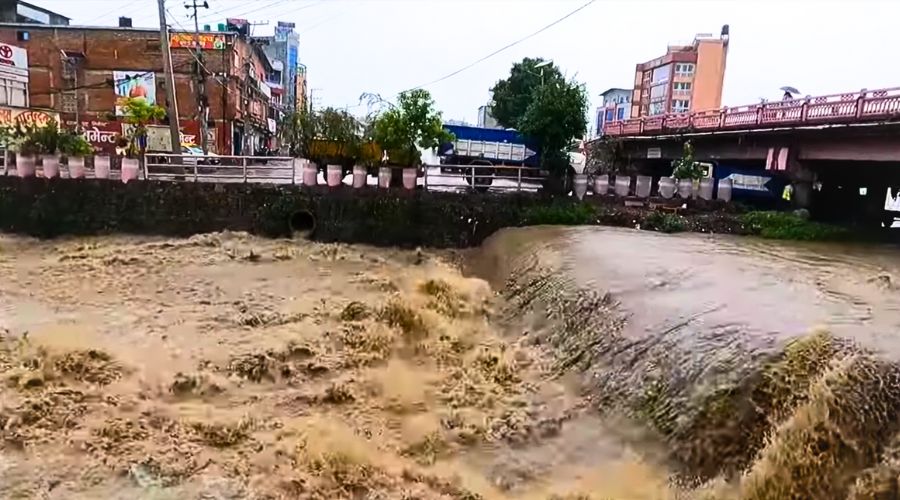
The Bagmati River is more than just a watercourse winding through the Kathmandu Valley; it is the lifeblood of the region, holding deep religious and cultural significance. The river is revered in both Hinduism and Buddhism, with numerous temples and holy sites dotting its banks. Historically, the Bagmati has been a source of sustenance, irrigation, and spiritual renewal.
A Deluge of Challenges
However, this monsoon season has brought unprecedented rainfall, pushing the Bagmati River to dangerous levels. The rising waters have already begun to encroach on low-lying areas, flooding homes, streets, and farmlands. The valley, with its dense population and intricate network of narrow streets, is particularly vulnerable to such natural calamities.
The Human Toll
For the residents of Kathmandu Valley, the flooding presents immediate and severe dangers. Many have been forced to evacuate their homes, seeking refuge in makeshift shelters or with relatives in higher, safer areas. The risk of waterborne diseases looms large, as sanitation systems are overwhelmed and clean drinking water becomes scarce.
The economic impact is also significant. Markets and businesses are shuttered, and agricultural fields are submerged, threatening the livelihoods of thousands. In a region where many depend on daily wages, the disruption caused by the floods is devastating.
Environmental and Infrastructural Strain

The rising waters of the Bagmati River are not only a human crisis but an environmental one. The floodwaters carry with them debris and pollutants, further deteriorating the already strained ecosystem of the river. The once-pristine waters are now a murky testament to the combined forces of nature and urban development.
Infrastructure is another casualty. Bridges, roads, and buildings are under immense stress from the persistent rains and rising river levels. The ancient heritage sites, for which the Kathmandu Valley is renowned, are at risk of damage, threatening the cultural legacy of the region.
A Call to Action
In response to the crisis, local authorities, non-governmental organizations, and community groups are mobilizing to provide relief and mitigate the impact of the floods. Rescue operations are underway to evacuate those in immediate danger, while efforts to distribute food, water, and medical supplies are ramping up.
Long-term solutions are also being considered to address the recurring issue of flooding in the Kathmandu Valley. Improved drainage systems, sustainable urban planning, and river management practices are crucial to safeguarding the valley against future monsoon seasons.
Hope Amidst Adversity
Despite the challenges, the spirit of the Kathmandu Valley's residents remains unbroken. Communities are coming together, displaying resilience and solidarity in the face of adversity. The flooding of the Bagmati River is a stark reminder of the power of nature, but it also highlights the strength and determination of the people who call this valley home.

As the waters rise, so too does the resolve to protect, rebuild, and preserve the Kathmandu Valley. The Bagmati River, a symbol of life and continuity, will once again flow peacefully, nurtured by the unwavering spirit of the community it sustains.