The Rato Machindranath Rath Yatra: A Cultural Epic of Unity and Devotion

Nepal, a land of captivating culture and profound spirituality, hosts an array of festivals that mirror its rich heritage and traditions. Among these, the Rato Machindranath Rath Yatra stands out as a vibrant and historical celebration that captivates the hearts and souls of its participants. This annual chariot festival, celebrated primarily in the Kathmandu Valley, is more than just a religious observance; it is a testament to the deep-rooted unity, devotion, and resilience of the Nepali people.
Origins and Significance

The Rato Machindranath Rath Yatra has ancient origins, believed to have begun in the 7th century. It is dedicated to the rain god, Rato Machindranath, also known as Bunga Dyah. In a country where agriculture plays a vital role in the livelihood of its people, the significance of a festival invoking rain cannot be overstated. The legend speaks of Rato Machindranath’s journey from Assam to Nepal to relieve a devastating drought, marking the god as a bringer of prosperity and hope.
The Grand Chariot Procession
Central to the Yatra is the grand chariot procession, an awe-inspiring sight that draws thousands of devotees and tourists alike. The massive, intricately designed chariot, constructed anew each year, carries the idol of Rato Machindranath. This towering structure, reaching up to 60 feet, is a marvel of traditional engineering and craftsmanship.
The journey begins in Pulchowk, Lalitpur, and traverses through various localities, including Gabahal, Hakha, and Sundhara, before culminating at Jawalakhel. The chariot's movement is a community effort, with hundreds of young men pulling the heavy ropes, showcasing a spirit of unity and cooperation. The festival’s atmosphere is electrifying, filled with music, traditional dances, and an array of vibrant colors that reflect the joyous spirit of the occasion.
Rituals and Festivities

The Rato Machindranath Rath Yatra is not just about the procession. It is a month-long celebration interwoven with various rituals and festivities. The festival begins with the 'Bhoto Jatra,' a ceremony where a sacred vest (bhoto) is displayed to the public. This tradition is steeped in mythology and holds great cultural importance.
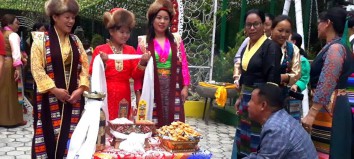
Throughout the Yatra, the air is thick with the scent of incense and the sounds of devotional songs and prayers. People from all walks of life come together to offer their respects and seek blessings, transcending social and cultural boundaries. The festival also features traditional Newar cuisine, art exhibitions, and local markets, providing a holistic cultural experience.
Cultural Impact and Modern Relevance

In an era of rapid modernization, the Rato Machindranath Rath Yatra remains a cornerstone of Nepali cultural identity. It fosters a sense of belonging and continuity among the people, preserving ancient traditions while adapting to contemporary contexts. The festival also attracts international tourists, contributing to Nepal’s cultural tourism and providing a global platform for its unique heritage.
Moreover, the Yatra highlights the importance of community solidarity. The collective effort required to move the chariot symbolizes the strength found in unity, a lesson that resonates deeply in today’s fragmented world. It is a reminder of the power of coming together for a common cause, transcending individual differences for the greater good.
Conclusion

The Rato Machindranath Rath Yatra is more than a festival; it is a living tapestry of Nepal’s history, culture, and spirituality. It embodies the essence of devotion, the spirit of unity, and the resilience of tradition in the face of modernity. As the chariot of Rato Machindranath rolls through the streets, it carries with it the hopes, dreams, and collective heritage of a people bound together by faith and community. This timeless celebration continues to inspire, uplift, and remind us all of the profound beauty found in our shared cultural legacies.