Navigating the Skies Safely: Revolutionizing Flight Safety Measures in Nepal

The breathtaking beauty of Nepal, home to the majestic Himalayas, draws millions of adventurers and tourists each year. However, this allure is marred by a less glamorous reality: Nepal's sky is notorious for its high frequency of air accidents. Understanding why the Nepali sky is considered unsafe for air travel and dissecting the causes behind these frequent mishaps is crucial for addressing and mitigating the risks.
The Challenges of Nepal's Airspace
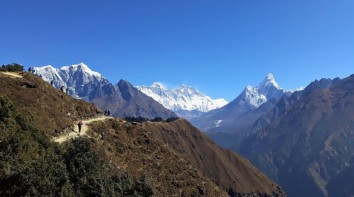
1. Treacherous Terrain: Nepal’s geography is one of the most challenging in the world. The high mountains, deep valleys, and unpredictable weather conditions make flying in Nepal particularly hazardous. Pilots often have to navigate through narrow, mountainous routes with little room for error, increasing the risk of accidents.
2. Unpredictable Weather: The weather in Nepal can change rapidly, especially in the mountainous regions. Sudden storms, fog, and strong winds can severely impair visibility and make flying dangerous. Pilots need to be exceptionally skilled and prepared for abrupt weather changes that can occur mid-flight.
3. Aging Fleet: Many of the aircrafts operating in Nepal are older models, which are more prone to mechanical failures. The maintenance and operational standards of these aircrafts are often not on par with international norms, leading to a higher incidence of technical issues.
4. Human Factors: Pilot training and experience play a significant role in aviation safety. In Nepal, there have been instances where pilots have had insufficient training or experience to handle the complex and demanding flying conditions. This lack of adequate preparation can lead to human errors, which are a major cause of air accidents.
Accountability and Responsibility
Weather or Pilot’s Fault? When an air crash occurs, the immediate question often revolves around whether it was the weather or the pilot at fault. It is frequently a blend of one or both. While the weather can create hazardous conditions, a well-trained and experienced pilot should be able to navigate through or around these challenges. However, in Nepal, the severe weather conditions can sometimes be beyond human control, making it difficult to solely blame pilots.
Role of Authorities: The aviation authorities in Nepal bear a significant responsibility for ensuring air safety. This includes strict enforcement of maintenance standards, ensuring that pilots are adequately trained, and monitoring the age and condition of the aircraft fleet. Unfortunately, regulatory oversight in Nepal has been found lacking in several instances, contributing to the ongoing safety issues.
Who is Responsible? In the event of an air crash, determining responsibility is complex. It typically involves an investigation by aviation authorities, which looks into all possible factors, including pilot error, mechanical failure, and weather conditions. However, accountability often rests on multiple shoulders, including the airline operators, regulatory bodies, and sometimes even the airport authorities.
Moving Forward: Enhancing Air Safety in Nepal

1. Modernizing the Fleet: Investment in newer aircraft with advanced navigation and safety systems is crucial. Modern planes are better equipped to handle the challenging flying conditions in Nepal, reducing the risk of mechanical failures and enhancing overall safety.
2. Improved Training Programs: Enhanced training programs for pilots, focusing on handling the unique flying conditions in Nepal, are essential. This includes simulated training for adverse weather conditions and complex terrains.
3. Strengthening Regulatory Oversight: The aviation authorities must enforce stricter maintenance standards and conduct regular audits of airline operations. Ensuring compliance with international safety standards will be key in improving the overall safety of air travel in Nepal.
4. Weather Monitoring and Forecasting: Investing in advanced weather monitoring and forecasting systems can provide real-time data to pilots and air traffic controllers. This can help in better planning and execution of flights, minimizing the risk posed by sudden weather changes.
Conclusion
The Nepali sky, with its blend of natural beauty and inherent risks, presents unique challenges for air travel. While the weather and terrain are significant factors, human error and regulatory oversights also play a crucial role in the frequent air accidents. Addressing these issues requires a multifaceted approach, including modernizing the fleet, improving pilot training, and strengthening regulatory frameworks. Only through such comprehensive measures can Nepal hope to transform its skies into safer passageways for both locals and visitors alike.